
As temperatures become cooler during the winter season in Ras Al Khaimah, property owners and facility managers may encounter increased moisture-related concerns inside buildings. Condensation, inadequate ventilation, water leakage and damp surfaces can create favourable conditions for mould and fungal growth.
Mould can develop on walls, ceilings, air-conditioning areas, storage spaces and other moisture-prone surfaces. If left untreated, it may affect indoor air quality, damage building materials and create an unpleasant indoor environment.
Winter is a suitable time to inspect properties for dampness and mould, identify the underlying moisture source, and plan professional mould remediation where required.
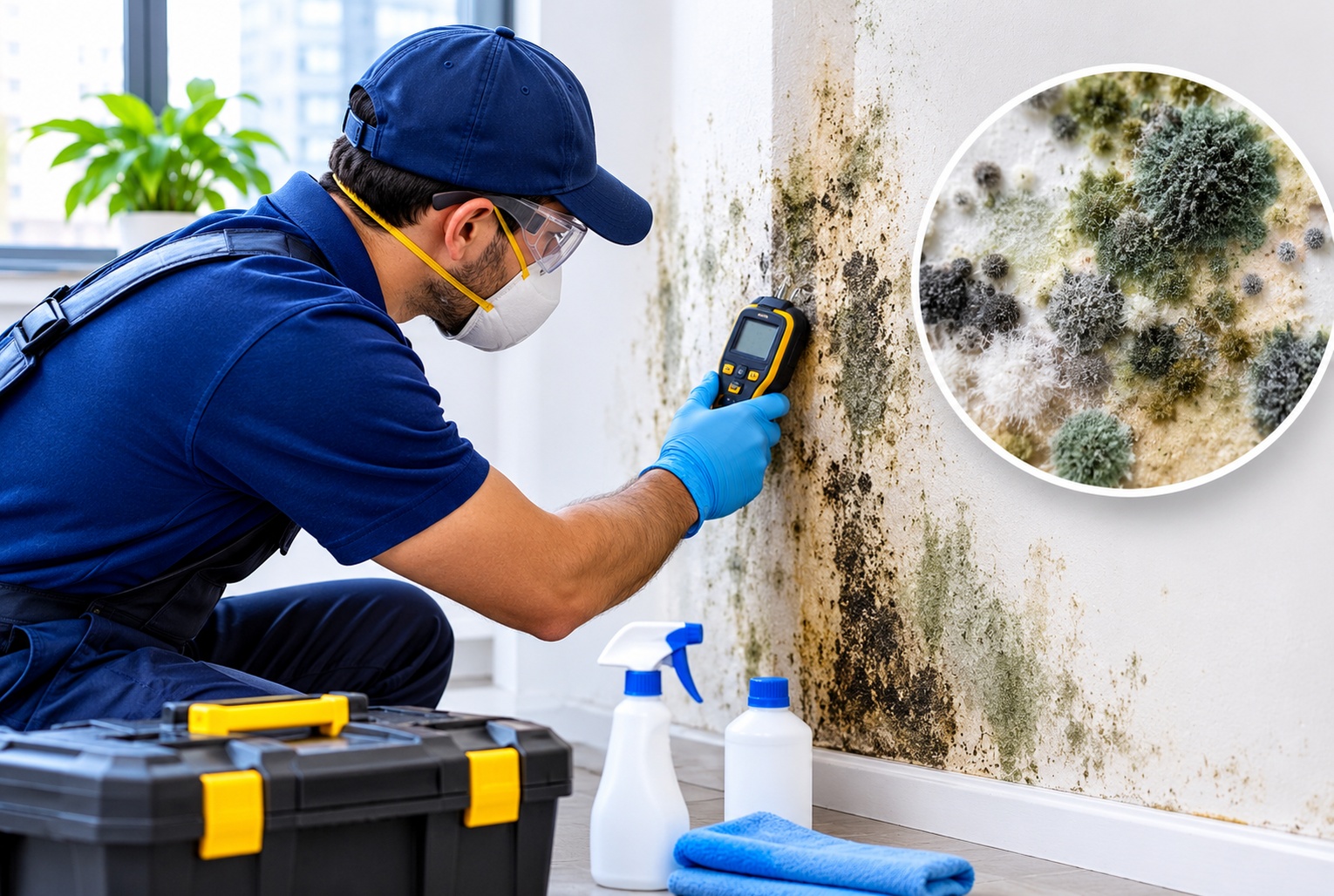
Stalwart Solutions LLC provides professional Mould Inspection, Identification, Treatment and Remediation Services in Ras Al Khaimah, helping residential, commercial and industrial properties address mould-related concerns.
Why Does Mould Growth Occur During Winter in Ras Al Khaimah?
Although Ras Al Khaimah experiences a generally warm climate, winter conditions can still contribute to indoor moisture accumulation. Temperature differences between indoor and outdoor environments may lead to condensation on cooler surfaces. When moisture remains on building materials for extended periods, mould can begin to develop.
1. Condensation on Walls and Ceilings
Temperature differences between indoor spaces and external surfaces can result in condensation. Moisture may accumulate around windows, walls, ceilings and poorly insulated areas, creating conditions suitable for mould growth.
2. Poor Ventilation
Rooms with limited air circulation may retain moisture. Bathrooms, kitchens, storage rooms and enclosed commercial spaces can be particularly vulnerable when ventilation is inadequate.
3. Water Leakage and Dampness
Roof leaks, plumbing defects, damaged waterproofing and water seepage can introduce moisture into building materials. Persistent dampness may encourage mould development.
4. Air Conditioning and HVAC Moisture Issues
Blocked condensate drains, wet insulation, moisture accumulation and inadequate HVAC maintenance can contribute to mould growth around air-conditioning systems and ventilation components.
5. Moisture in Commercial Buildings
Malls, offices, warehouses, hotels and other large commercial properties may experience mould-related concerns in areas with limited airflow, hidden leaks or persistent humidity.
How to Identify Mould in Your Building
Early identification is essential to prevent mould from spreading and causing further damage. Property owners and facility managers should look for the following warning signs:
- Black, green, grey or white patches on walls and ceilings
- Musty or unpleasant odours in enclosed spaces
- Peeling paint or bubbling wall finishes
- Damp or discoloured surfaces
- Visible fungal growth around windows and corners
- Mould-like deposits near AC vents or air-conditioning units
- Repeated moisture accumulation in the same area
Visible mould may indicate an underlying moisture issue. Simply cleaning the affected surface without addressing the source of moisture may result in recurring mould growth.
Common Areas Where Mould Develops
Mould can occur in various parts of a building, especially where moisture and limited ventilation are present.
Residential Properties
- Bathrooms and kitchens
- Bedrooms and wardrobes
- Window frames and wall corners
- Ceilings and areas affected by water leakage
Commercial Buildings
- Offices and meeting rooms
- Mall service areas
- Storage rooms and warehouses
- HVAC rooms and ventilation-related areas
Building Infrastructure
- Damp walls and ceilings
- Areas affected by plumbing leaks
- Moisture-prone insulation
- Locations with inadequate ventilation
Regular inspection of these areas can help identify potential mould problems before they become extensive.
Why Is Professional Mould Treatment Important?
Mould remediation involves more than removing visible fungal growth. Effective treatment requires identifying the source of moisture, assessing the affected area and applying suitable remediation procedures. Uncontrolled mould cleaning may disturb fungal growth and spread contaminated particles to surrounding areas.
Professional mould treatment helps to:
- Address visible mould growth on affected surfaces
- Identify moisture-related causes
- Reduce the risk of mould recurrence
- Protect walls, ceilings and other building materials
- Improve the cleanliness of indoor environments
- Support effective property maintenance
The appropriate remediation method depends on the type of surface, extent of contamination, moisture conditions and site requirements.
Professional Mould Identification & Remediation Process
Stalwart Solutions LLC follows a systematic approach to mould identification and treatment in Ras Al Khaimah.
Step 1: Site Inspection
A professional inspection is conducted to identify visible mould, dampness, water damage and moisture-prone areas.
Step 2: Moisture Assessment
The affected areas are assessed to identify potential sources of moisture, such as condensation, water leakage, poor ventilation or HVAC-related issues.
Step 3: Identification of Affected Areas
The extent of mould growth is evaluated to determine the areas requiring treatment and the appropriate remediation approach.
Step 4: Containment and Preparation
Where necessary, affected areas are isolated and prepared to minimise the spread of mould particles during remediation.
Step 5: Mould Treatment and Removal
Suitable professional cleaning and remediation methods are applied to affected surfaces based on site conditions and material compatibility.
Step 6: Moisture Source Correction
The underlying moisture issue should be addressed. This may require plumbing repairs, improved ventilation, waterproofing corrections or HVAC maintenance.
Step 7: Post-Treatment Inspection
The treated area is inspected to assess the condition of the surface and determine whether further remediation or moisture control measures are required.
Winter Mould Prevention Tips for Ras Al Khaimah Properties
Preventive maintenance can help reduce the risk of mould growth during the cooler season.
Maintain Proper Ventilation
Ensure adequate ventilation in bathrooms, kitchens, storage rooms and other enclosed spaces.
Address Water Leaks Immediately
Repair plumbing leaks, roof seepage and water infiltration as soon as they are identified.
Monitor Indoor Moisture
Use suitable humidity monitoring equipment where necessary. Avoid prolonged moisture accumulation on walls, ceilings and other surfaces.
Inspect AC Systems Regularly
Check air-conditioning condensate drains, filters, insulation and moisture-prone components as part of routine HVAC maintenance.
Keep Moisture-Prone Areas Clean and Dry
Regularly inspect window frames, wall corners, ceilings and enclosed storage areas for signs of dampness.
Schedule Professional Mould Inspection
Arrange periodic inspections for residential, commercial and industrial properties, particularly where mould has previously occurred.
Mould Remediation Services in Ras Al Khaimah by Stalwart Solutions LLC
Stalwart Solutions LLC offers professional mould and fungus remediation services in Ras Al Khaimah to help property owners and facility managers manage mould-related concerns.
Our services include:
- Mould and fungus inspection
- Identification of visible mould growth
- Moisture-related assessment
- Professional mould treatment
- Remediation of affected surfaces
- Recommendations for moisture control and prevention
- Post-treatment inspection, where applicable
Our services are suitable for residential buildings, offices, commercial facilities, warehouses and other properties requiring mould remediation. Whether you are dealing with visible mould patches, persistent dampness or recurring fungal growth, professional inspection can help determine the appropriate course of action.
Protect Your Property This Winter with Professional Mould Remediation
Winter provides an opportunity for property owners and facility managers in Ras Al Khaimah to inspect buildings for dampness, condensation and mould-related issues. Early identification and appropriate remediation can help protect building materials, maintain cleaner indoor environments and reduce the likelihood of recurring mould problems.
Stalwart Solutions LLC Sprovides professional mould identification, treatment and remediation services in Ras Al Khaimah. Contact our team to arrange a professional mould inspection and discuss suitable treatment solutions for your property.
Contact Stalwart Solutions LLC – Ras Al Khaimah
Professional Mould Identification & Remediation Services
Address: Al Qadi Building, Office M3, 11A Street, Khalifa Bin Zayed City, Ras Al Khaimah, UAE
Phone: +971 7 266 2218
Website: https://www.teamstalwart.com/
Frequently Asked Questions (FAQs)
1. Why does mould grow during winter in Ras Al Khaimah?
Mould may develop during winter due to condensation, poor ventilation, water leakage and persistent moisture on building surfaces.
2. How can I identify mould in my property?
Common signs include visible black, green or grey patches, musty odours, damp walls, peeling paint and fungal growth around windows, ceilings or AC-related areas.
3. Is professional mould treatment necessary?
Professional remediation may be necessary when mould growth is extensive, recurring, associated with water damage or located in HVAC systems. The appropriate treatment depends on the affected area and site conditions.
4. Can mould return after treatment?
Yes. Mould may return if the underlying moisture source is not corrected. Effective remediation should include identifying and addressing the conditions that caused the growth.
5. Does Stalwart Solutions LLC provide mould remediation in Ras Al Khaimah?
Stalwart Solutions LLC provides mould and fungus remediation services in Ras Al Khaimah. Contact the team to discuss inspection and treatment requirements for your property.
6. When should I schedule a mould inspection?
A mould inspection should be considered when visible mould, musty odours, dampness or recurring moisture problems are identified. Winter can be a suitable time to plan preventive property inspections.
Protect Your Property from Winter Mould
Arrange professional mould inspection and remediation for your residential or commercial property in Ras Al Khaimah.
Call +971 7 266 2218